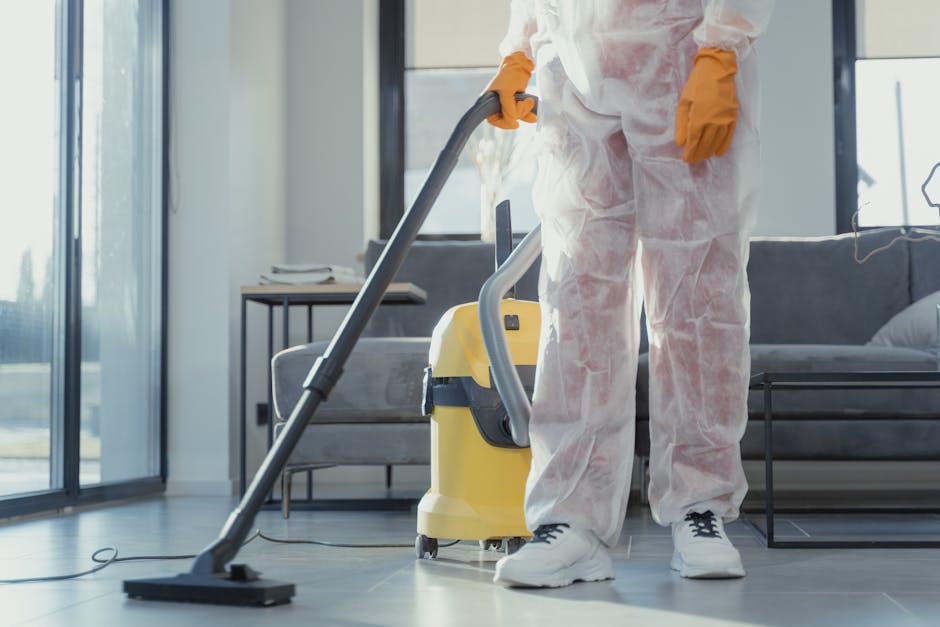
Deep cleaning options for landlords in EN1 explained
If you rent out property in EN1, you already know how quickly a flat or house can go from "fairly tidy" to "needs a proper reset". A quick surface clean is rarely enough between tenancies. Stained grout, greasy ovens, dusty skirting boards, pet hair, limescale and those sneaky marks behind radiators all tend to show up the moment a new tenant walks in. That is where deep cleaning options for landlords in EN1 explained properly becomes useful: it helps you choose the right level of clean for the property, the turnaround time, and the condition you are starting from.
In practice, landlords in Enfield need cleaning that is both thorough and sensible. Not every property needs the same treatment, and not every handover needs the full works. This guide breaks down the main options, when each one makes sense, what a good result looks like, and how to avoid paying for the wrong thing. Simple enough on paper. In real life, a bit more nuanced.
To help you move through it quickly, here is a clear guide to the main areas covered below.
- Why this matters for landlords in EN1
- How the process works
- Benefits and practical advantages
- Who needs it and when
- Step-by-step guidance
- Expert tips for better results
- Common mistakes to avoid
- Tools, resources and recommendations
- Law, compliance and best practice
- Options and comparison table
- Real-world example
- Practical checklist
- Conclusion
- Frequently asked questions
Why Deep cleaning options for landlords in EN1 explained Matters
Deep cleaning matters because a rental property is not just a home; it is a working asset. If a tenant leaves behind built-up dirt, a faint smell of cooking, or carpet wear that only becomes obvious in daylight, the next viewing can feel less inviting than it should. That first impression counts. It affects how quickly you re-let, how confidently you show the place, and how much time you spend dealing with awkward little issues after move-out.
EN1 landlords often manage a mix of properties: older terraces, purpose-built flats, shared homes, and refurbished rentals where one neglected detail stands out immediately. A deep clean can help pull the whole property back into line. It can also make maintenance easier to spot. For example, once an oven is properly cleaned, you can see whether the door seal is intact. Once limescale is removed from taps and shower screens, you can tell if there is a leak hiding underneath. That kind of clarity is worth a lot.
There is also a trust element. Tenants notice when a property feels genuinely cared for. Even if they never say it out loud, they do notice the smell, the shine, the freshness. Let's face it, nobody wants to move into a kitchen that still smells of old frying oil.
If you want to understand the broader service behind this kind of work, the company's deep cleaning service is a useful starting point, while end of tenancy cleaning is usually the more targeted option when a tenant is moving out.
How Deep cleaning options for landlords in EN1 explained Works
Deep cleaning for landlords is usually more detailed than a standard domestic clean. Instead of focusing on visible areas only, it goes into the edges, fixtures, fittings, and stubborn build-up that often gets missed in routine cleaning. In a rental property, that means cleaners may work room by room, starting high and moving low, or tackling the property by zone so nothing gets overlooked.
A typical landlord deep clean may include:
- kitchen degreasing, including cupboards, worktops, splashbacks and appliances
- bathroom descaling, sanitising and polishing
- skirting boards, doors, handles and light switches
- inside and outside of cupboards and drawers
- vacuuming and mopping hard floors
- carpet and rug attention where needed
- window frames, sills and accessible glass
- spot cleaning on walls, marks and high-touch surfaces
Some landlords need a one-off reset between tenancies. Others need a more layered clean that combines deep cleaning with add-on work. For instance, if a tenant left the oven in a rough state, an oven cleaning add-on may be the best use of budget. If the floors are the main issue, a hard floor cleaning treatment can make a dramatic difference. If soft furnishings are the problem, upholstery cleaning or sofa cleaning may be more relevant.
The important point is that deep cleaning is not one single fixed thing. It is a bundle of methods, chosen according to what the property actually needs. That is why a proper assessment before booking can save money and frustration.
Key Benefits and Practical Advantages
A good deep clean does more than make the property look nice in photos. It solves problems that matter to landlords in the real world.
- Faster re-let potential: A fresh, well-presented property is easier to market and show.
- Better tenant perception: Clean kitchens, bathrooms and carpets create confidence from day one.
- Reduced complaint risk: You are less likely to get calls about lingering smells, dirt or missed areas.
- More visible maintenance issues: When the grime is gone, small repairs stand out clearly.
- Better protection of fixtures and finishes: Regular proper cleaning helps extend the life of flooring, tiles and upholstery.
- Cleaner handover between occupiers: Helpful for inventory checks and overall presentation.
There is a more subtle benefit too: calm. A landlord who knows the property has been properly prepared does not spend the first week after move-in wondering whether they should have done more. That's a surprisingly underrated feeling.
Expert takeaway: The best deep cleaning option is not always the most expensive one. It is the one that matches the property condition, the tenancy timeline, and the parts of the home most likely to cause complaints if left untreated.
Who This Is For and When It Makes Sense
This kind of cleaning is especially useful for landlords in EN1 who are:
- between tenancies and preparing for new occupants
- dealing with a property that has been occupied for a long time
- refreshing a rental after smokers, pets, heavy cooking, or family use
- getting a flat ready for marketing photographs and viewings
- trying to reduce disputes about cleanliness at check-out
- tidying up after maintenance, decorating, or minor works
It also makes sense if the property is mostly fine but a few areas are letting it down. A flat can look acceptable at a glance and still fail in the details. The bathroom might sparkle, but the oven door could be coated in grease. The living room could be dust-free, while the carpet has traffic marks near the sofa and doorway. Those are the things that make people say, "It felt a bit tired, really."
Landlords using a broader one-off cleaning approach often choose this route when they need a reset rather than a regular maintenance arrangement. If you manage multiple properties, you may also find that a reliable cleaning company is easier to coordinate than piecing together several separate trades.
Step-by-Step Guidance
Here is a practical way to plan a landlord deep clean without overcomplicating it.
- Walk through the property slowly. Look at it as if you were a new tenant. Check under sinks, behind doors, around taps and along the edges of floors.
- Separate "must clean" from "nice to clean". A greasy hob is not optional. A decorative light fitting may be lower priority if time is tight.
- Identify the high-risk rooms. Kitchens and bathrooms usually need the most attention. If there are carpets, pet areas or soft seating, note those too.
- Decide whether you need specialist add-ons. Common examples are oven cleaning, carpet cleaning, upholstery cleaning or window cleaning.
- Check access and timing. Is electricity on? Is water available? Are keys ready? Will cleaning happen before inventory or after repairs?
- Confirm what is included. A deep clean should have a clear scope. You do not want assumptions doing the work of an actual checklist.
- Review the finished property. If possible, inspect while surfaces are still fresh and before new tenants arrive.
A tiny but useful tip: if you have only one hour to assess a property before booking, start with the kitchen. That room often tells you almost everything about the level of clean needed. The smell tells a story too, annoyingly enough.
Expert Tips for Better Results
In our experience, landlords get the best results when they treat deep cleaning as part of a broader handover process, not a last-minute panic task. Here are a few practical habits that help.
- Book after repairs, not before. If electricians, decorators or plumbers are still coming and going, the clean will not last.
- Ask for room priorities. A good cleaner can focus effort where it matters most if the budget is limited.
- Use add-ons strategically. Carpet cleaning or oven cleaning can add noticeable value; random extras often do not.
- Match the clean to tenant history. Pets, smoking, hard water and heavy cooking all change the job.
- Keep a brief property note. A simple list of what tends to get dirty in that specific home helps for the next tenancy too.
One more thing. If the property has recently had refurb work, do not assume a standard clean is enough. Dust from minor works gets into places you would never expect. In that case, an after builders cleaning style service may be the better fit. It is the sort of dust that turns up on a windowsill three days later, just to be awkward.
Common Mistakes to Avoid
Landlords usually get into trouble not because they ignore cleaning altogether, but because they underestimate what is actually involved.
- Choosing the cheapest option without checking scope. Low price is not much use if half the property is untouched.
- Skipping the kitchen appliances. Ovens, hobs and extractor areas are common flashpoints.
- Forgetting soft furnishings. Curtains, sofas, rugs and mattresses can hold smell and dust.
- Assuming a quick vacuum is enough for carpets. It usually is not, especially after a long tenancy.
- Leaving cleaning until after inventory. That can create avoidable arguments over condition.
- Not factoring in access time. No cleaner can work properly if the keys arrive late or utilities are off.
Another common issue is trying to do everything in-house when the job really needs specialist equipment. A mop and cloth have their place, obviously. But some grime wants proper chemistry, not optimism.
Tools, Resources and Recommendations
If you are planning or reviewing a landlord deep clean, these are the practical areas worth thinking about.
- Tenant inventory notes: Useful for spotting what should be returned to standard.
- Property condition photos: Helpful before and after a clean, especially if there are multiple stakeholders.
- Specialist cleaning services: For carpets, floors, ovens, upholstery and windows where general cleaning is not enough.
- Clear scope notes: A written list of included rooms and tasks helps prevent misunderstandings.
- Insurance and safety information: Useful when booking any contractor into an occupied or recently vacated property.
For landlords who want a broader domestic refresh rather than a tenancy handover clean, services like domestic cleaning or house cleaning can be relevant. If the property has hardwearing surfaces that have lost their finish, hard floor cleaning can restore a much better first impression. And for rental homes with used curtains, chairs or a family sofa left behind, rug cleaning and upholstery care are worth considering too.
If you are comparing providers, it is sensible to check the company's insurance and safety information, plus its health and safety policy. That is not red tape for the sake of it. It is basic protection for you and the property.
Law, Compliance, Standards, or Best Practice
For landlords, the legal and compliance side is about being careful, fair and consistent rather than trying to turn cleaning into a legal minefield. In the UK, rental properties are expected to be maintained to a safe and decent standard, and tenants should move into a property that is appropriately clean and ready for occupation. The exact obligations vary with the tenancy, the property, and the situation, so it is sensible to treat this as best-practice guidance rather than legal advice.
Good practice usually includes:
- documenting the condition before and after cleaning
- using a clear scope of work
- keeping invoices and service notes on file
- not relying on vague promises like "we'll sort the main bits"
- making sure any contractor entering the property works safely and responsibly
For landlords, consistency matters. If one property gets a proper deep clean and another gets a half-hearted tidy, complaints tend to follow the weaker one. Human nature, really.
It can also help to check service terms before booking. The company's terms and conditions and pricing and quotes information can give you a clearer idea of what is included and how the service is structured. If sustainability matters to you or your tenants, the recycling and sustainability page may also be useful context.
Options, Methods, or Comparison Table
Here is a simple comparison of common landlord cleaning options in EN1. The right choice depends on the condition of the property and how quickly it needs to be ready.
| Option | Best for | Typical strengths | Possible limitation |
|---|---|---|---|
| General deep clean | Most tenancy changeovers | Balanced, detailed, covers most rooms thoroughly | May not fully solve very heavy stains or specialist issues |
| End of tenancy clean | Move-out and re-let preparation | Focused on handover standards and presentation | Can be too narrow if the property also needs repair cleanup |
| One-off clean | Properties that need a reset after neglect or vacancy | Flexible and practical for unusual situations | Scope must be agreed clearly to avoid gaps |
| Deep clean with add-ons | Homes with carpets, ovens, upholstery or hard floors needing extra care | Targets problem areas efficiently | Costs more than a basic package, though often worth it |
In real terms, most landlords end up choosing a blend. For example, a flat may need end-of-tenancy cleaning plus oven cleaning plus carpet cleaning. Another property may only need a one-off clean with window cleaning added. There is no prize for buying the biggest package if the place simply does not need it.
Case Study or Real-World Example
A typical EN1 scenario might look like this: a two-bedroom flat is vacated after a long tenancy. The property is not disastrous, but it has obvious wear. The kitchen has greasy buildup around the hob, the oven smells burnt, the bathroom glass has limescale, and the hallway carpet shows dark marks near the entrance. The landlord wants to re-let quickly, but also wants the viewing photos to feel bright and fresh.
In that situation, a sensible plan would be:
- deep clean the whole property
- add oven cleaning
- book carpet cleaning for the hallway and living area
- include window cleaning for the main viewing rooms
The result is usually more than cosmetic. The flat feels cleaner, brighter and better cared for. The landlord can market it with more confidence, and the next tenant is less likely to question whether the place was properly prepared. It sounds small, but these things stack up.
Sometimes the biggest difference is not dramatic at all. It is the clean smell when the front door opens. The fresh sink. The dull film gone from the mirror. Those little signs say: this property has been looked after.
Practical Checklist
Use this checklist before booking a landlord deep clean in EN1.
- Have you inspected the property room by room?
- Have you identified the worst areas, not just the visible ones?
- Are kitchens and bathrooms included in the scope?
- Do you need oven, carpet, upholstery or window cleaning as add-ons?
- Have repairs, decorating and maintenance already been completed?
- Is access arranged for the cleaner or cleaning team?
- Do you have a clear quote or service breakdown?
- Have you noted any stains, smells, heavy limescale or pet-related issues?
- Will the clean happen before the final inspection or inventory?
- Do you have a record of the finished condition for your files?
If you want to keep things straightforward, this checklist is often enough to stop avoidable surprises. And honestly, avoiding surprises is half the battle in property management.
Conclusion
Deep cleaning options for landlords in EN1 explained in plain English comes down to this: choose the level of clean that matches the condition of the property, the speed of turnaround, and the expectations of the next tenant. A basic tidy is rarely enough after a tenancy changeover. A proper deep clean, with the right add-ons where needed, can protect presentation, reduce complaints, and make the next letting smoother.
The best approach is usually practical rather than dramatic. Walk the property, note the real issues, and select the service that fits the job instead of the one that sounds most impressive. Simple, but it works.
Get a free quote today and see how much you can save.
If you are still weighing up the options, a focused conversation and a clear scope can save a lot of back-and-forth. That peace of mind is worth a lot when the keys need handing over and the clock is ticking.
Frequently Asked Questions
What is the best deep cleaning option for a landlord in EN1?
It depends on the property condition. For most tenancy changeovers, a full deep clean with targeted add-ons such as oven or carpet cleaning is the most practical choice.
Is deep cleaning the same as end of tenancy cleaning?
Not exactly. End of tenancy cleaning is usually focused on handover readiness, while deep cleaning can be broader and may suit properties that need a more general reset.
How do I know whether I need carpet cleaning as well?
If the carpet has traffic marks, odours, pet hair or visible staining, it is usually worth adding carpet cleaning rather than relying on vacuuming alone.
Should landlords clean before or after repairs?
After repairs is usually better. That way, dust, paint splashes and contractor mess do not undo the cleaning work.
Can a deep clean help me re-let a property faster?
Often yes. A cleaner, fresher property tends to look more inviting in photos and during viewings, which can support a smoother re-let process.
Do I need separate oven cleaning?
If the oven is greasy, smoky or has burnt-on residue, separate oven cleaning is usually a smart add-on. It is one of those jobs that looks small until you actually open the door.
What if the property has been empty for a while?
An empty property can still gather dust, cobwebs and stale smells. A one-off clean or deep clean is often useful before the next viewing or tenancy.
Are window cleaning and deep cleaning usually booked together?
They often are, especially if you want the property to look brighter for viewings. Clean glass and frames can make a bigger difference than people expect.
How often should landlords arrange deep cleaning?
There is no single rule. Many landlords arrange it between tenancies, after long occupancies, or when the property has been left in noticeably poor condition.
What should I check before booking a cleaning company?
Check what is included, whether the quote is clear, and whether the company provides relevant insurance and safety information. That helps avoid misunderstandings later.
Can deep cleaning cover sofas, rugs and upholstery?
Yes, if those items are part of the property or left behind for the tenant's use. Upholstery cleaning, sofa cleaning and rug cleaning can all be useful in the right situation.
What is the biggest mistake landlords make with cleaning?
Trying to save money by choosing a vague or overly limited clean. In the end, missed areas often cost more in complaints, delays or extra call-backs.