Deep Cleaning in Enfield

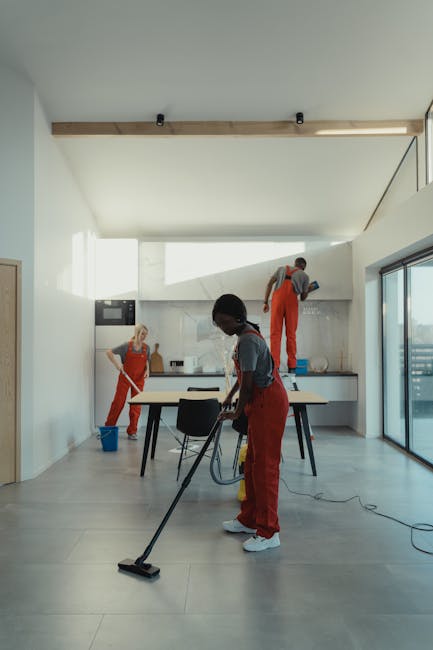
Deep Cleaning Enfield provides a thorough cleaning service for homes and business premises that need more than a routine tidy-up. The focus is on detailed, methodical work across the property, from high-traffic floors and touched surfaces to harder-to-reach areas that are often missed during regular cleaning. This kind of service is useful when a space needs a proper reset and a more complete finish, not just a quick refresh.
Our deep cleaning work is shaped around the rooms and surfaces that matter most in day-to-day use. That can include kitchens, bathrooms, living areas, hallways, internal doors, skirting, switches and fixtures, with attention given to build-up, dust and grime. If you need a service that goes further than standard housekeeping, we can help you choose the right scope and then arrange a clear quotation. Tell us what needs attention and we can discuss it in practical terms.
For a clearer starting point, it helps to think about the type of clean you need and which parts of the property matter most. Some customers want a full-property deep clean, while others need focused work on specific rooms after a busy period, before guests arrive, or after a long gap between cleans. Either way, the aim is to leave surfaces, fittings and floors looking fresher and easier to maintain. Request a quotation when you are ready to compare the scope.
What a deep clean can cover
A deep clean is designed to reach the areas that ordinary cleaning does not always address in detail. In practice, that often means working from top to bottom so that dust and loose debris are handled before final finishing. We can clean accessible surfaces, high-touch points, visible marks and the areas around items, helping the property feel more presentable and more comfortable for everyday use. The exact scope depends on the rooms, condition and priorities you set.
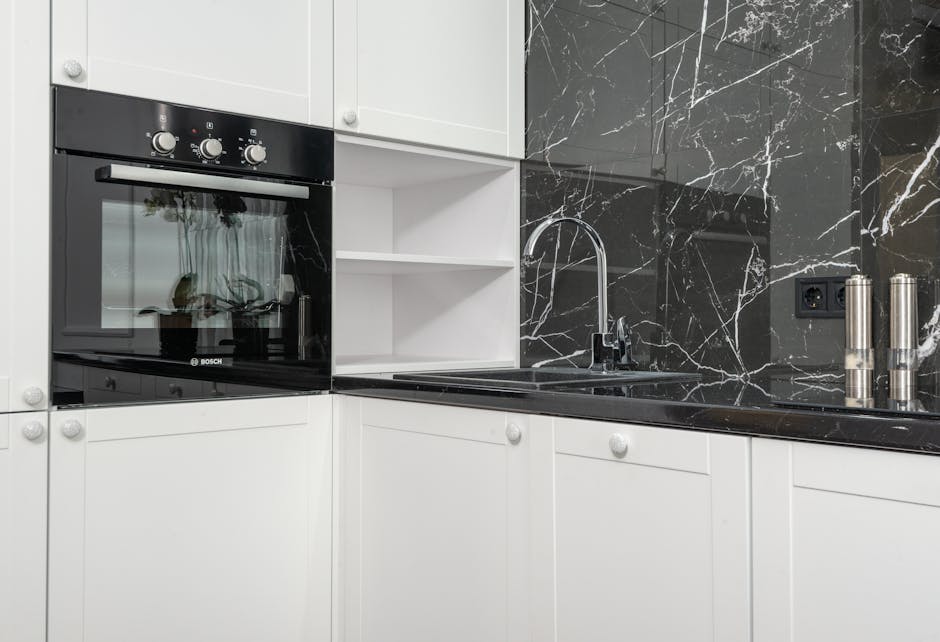
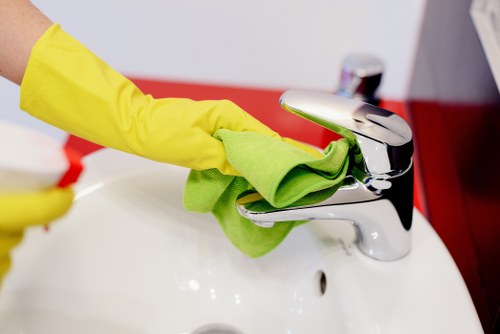
In kitchens and bathrooms, the service often needs extra care because those rooms gather grease, soap residue, water marks and general build-up more quickly than other spaces. A considered deep clean can therefore focus on worktops, splashbacks, sinks, taps, cupboard exteriors, tiles, sanitary fittings and surrounding surfaces. Where suitable, we can also pay closer attention to corners, edges and fixtures, which are often the places where a room starts to look tired. Our pricing and quotes page gives you a useful place to start if you want to compare the job scope before requesting a price.
Deep cleaning is also helpful when you want a room-by-room approach rather than an all-or-nothing package. That may mean targeting the rooms that are used most, or the parts of the property that have the heaviest wear. It can also mean choosing a more detailed service for selected surfaces, such as floors, upholstery or bathrooms, while keeping other areas to a lighter finish. If you want to plan the work sensibly, a short description of the rooms and surfaces involved will usually make the quotation process easier.
Kitchen and bathroom detailing

Kitchens and bathrooms usually define how clean a property feels, so they are often the rooms customers ask us to prioritise. In kitchens, the work may involve removing built-up residue from common contact points, cleaning visible grease from accessible areas and refreshing the surfaces that are seen every day. In bathrooms, the focus may be on limescale, soap marks, fittings and finishes that need a more careful and detailed approach.
These rooms also benefit from a logical sequence. We work methodically, because the order of tasks can influence the final result. For example, treating surfaces before final wiping helps avoid spreading dirt around the room, and finishing with touch points gives the space a more complete look. Where accessible and appropriate, we can also include cupboard fronts, appliances, basins, shower areas, taps, splash-prone surfaces and surrounding trims as part of a broader deep clean.
If you are comparing service scope, it is worth thinking about whether the job is mainly about appearance, hygiene or preparation for a change of use. Kitchen and bathroom cleaning can be adapted accordingly, but the most useful quotation comes from a clear explanation of what matters most. End of tenancy cleaning may also be relevant if the property needs a more formal full-property finish before handover, as the same room details can form part of a wider clean.
Floors, upholstery and fabric care
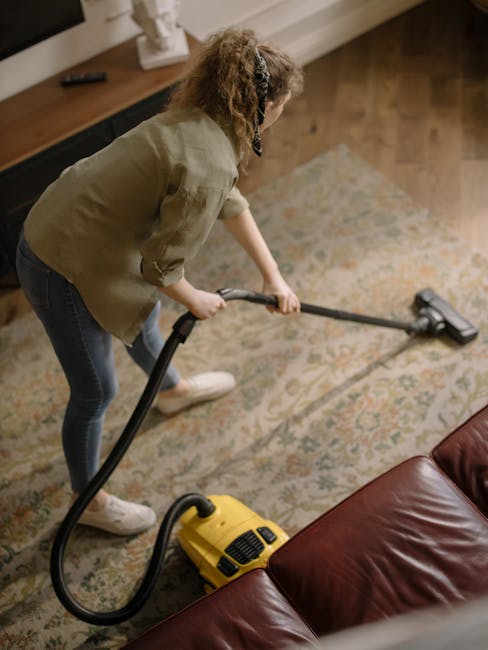
Deep cleaning is not only about visible surfaces. Floors and soft furnishings often absorb the daily wear that changes the feel of a room, even when the rest of the space appears orderly. Depending on the material and the condition, the work may include targeted care for carpets, rugs, sofas and upholstered items, alongside hard floors that need a more detailed clean. The intention is to improve presentation while treating each surface in a way that suits it.
Different materials need different approaches, and it is important not to treat all floor or fabric surfaces as though they respond the same way. A careful deep clean may involve stain-aware methods, attention to seams or edges, and cleaning solutions chosen with the surface in mind. On some jobs, the aim is a broad refresh; on others, it is more about removing signs of heavy use from the most noticeable areas. Carpet cleaning can be a useful option where fibres need more focused attention than a general clean would provide.
For households and premises with a mix of hard and soft surfaces, combining the right tasks in one visit can be more efficient than treating each item separately. That may include upholstery, rugs or flooring, depending on what needs the most care. If you are unsure how to describe the work, start with the rooms and materials involved, then note any stubborn marks or areas of concern. That sort of detail helps shape a clearer quote without adding unnecessary complexity.
One-off cleans and practical scheduling
Deep cleaning is often booked as a one-off service rather than as part of a fixed routine. That makes it useful when a property has had a gap between cleans, when it needs an extra reset before an event, or when it simply needs more time spent on the details. A one-off approach can be adapted to a single room, several rooms or a full property, depending on the work involved and the finish you want to achieve.
It also helps when the cleaning needs change from job to job. Some properties need attention after visitors, some after redecorating, and others after a particularly busy period in day-to-day use. The service can therefore be organised around the state of the property rather than a set routine. One-off cleaning is worth considering if you want a service shaped around a specific occasion or a one-time refresh instead of ongoing visits.
When asking for a quotation, keep the description practical: note the size of the property, the rooms to be covered and the main tasks you want included. Photographs can help where marks or wear are difficult to describe, but they are most useful when they support a written summary rather than replace it. If access is limited, or certain areas need careful handling, mention that too so the scope can be set out clearly from the beginning.
How to prepare a useful quotation request
Good quotations begin with useful information. A brief outline of the property type, the rooms to be cleaned and the main priorities usually gives enough context for a sensible response. Where relevant, mention whether you need a general deep clean, a more detailed kitchen and bathroom clean, or added care for carpets, upholstery or hard floors. That helps the quote reflect the real workload rather than a generic estimate.
There are a few details that often make the process smoother. If a room has stubborn build-up, if furniture will remain in place, or if there are surfaces that require gentle treatment, it is sensible to mention them in advance. Clear notes save time and reduce the chance of misunderstanding, especially where the work involves multiple rooms or mixed materials. If you need to arrange the clean around specific access times, that is also useful to include at the outset.
A concise enquiry can still be very helpful if it covers the essentials: what needs cleaning, how much of the property is involved, and what result you want. Once those points are clear, the quotation can be based on the right level of detail. Contact us when you are ready and we will help you move from a broad idea to a more precise cleaning plan.
Hard floors, windows and finishing touches
Many deep cleans rely on the final stage of finishing work, because that is where the property begins to look properly complete. Hard floors may need to be cleaned carefully to remove marks and general dullness, while windows and internal glass can make a big difference to the feel of a room once they are addressed. Even small touches, such as wiping frames, switches and other contact points, can strengthen the overall result.
These finishing tasks are often the difference between a decent clean and a proper deep clean. A room can appear tidy while still holding dust on ledges, fingerprints around handles or residue near the places people touch most often. A more detailed service is useful because it aims to reduce that layered build-up. Hard floor cleaning is a sensible option when the floor surface needs dedicated attention alongside the rest of the room.
Where a property contains a mix of finishes, the most effective approach is usually to match the task to the material. That might mean lighter cleaning for delicate surfaces, more thorough work for busy areas and precise attention to the details that are visible at eye level. Well-chosen finishing work can make the whole property feel more consistent, especially after a deep clean has removed the heavier dirt from the main rooms.
About Enfield
Enfield is a large borough and historic settlement in north London, with roots that stretch back to the medieval period and a landscape shaped by both market-town development and later suburban growth. The area includes the older centre around Church Street and the broader borough fabric that spread along transport routes in the nineteenth and twentieth centuries. Enfield Town railway station, opened in 1849, became part of the pattern that connected the district more closely to central London, while the later growth of roads and housing extended the settlement into a varied urban area. The borough also contains stretches of open land and parkland, with places such as Trent Country Park and Forty Hall Estate giving a strong contrast to the built-up streets. Forty Hall, a Jacobean manor house completed in the 1630s, is one of the best-known historic buildings in the borough, while the surrounding estate provides a notable rural edge within a modern London setting. The New River, an engineered waterway opened in the early seventeenth century to improve London’s water supply, also passes through the wider district and remains part of the area’s historic landscape. Enfield’s town centre, conservation areas and residential neighbourhoods reflect this layered history, combining older streetscapes with post-war development, local shopping parades and civic spaces that continue to serve a diverse population. Cultural life is supported by libraries, parks, heritage sites and community venues, and the borough’s scale means that it contains both busy urban corridors and quieter pockets of green space. Together, these features give Enfield a character that is both practical and historically distinctive, with visible traces of its long evolution still present in the everyday built environment.
Why detail matters in larger properties

Larger properties and busy premises often need more than a surface clean because dirt gathers in layers across different areas. Hallways, stair edges, skirtings, switches, door frames and similar features can make a property feel less fresh even when the main rooms appear acceptable at first glance. A deep clean helps by dealing with those overlooked points in a structured way, which is particularly useful when a property has been heavily used or left without detailed cleaning for some time.
Detail also matters because different rooms age in different ways. A bedroom may need light dust removal and attention to edges, while a kitchen may need a more intensive treatment around cooking areas and hand-touch surfaces. That is why a sensible quotation should reflect the actual shape of the job rather than assuming every room needs the same process. House cleaning may suit some properties where the aim is regular domestic upkeep, but deep cleaning is better when the requirement is more thorough.
Some customers prefer to prioritise the places that have the biggest visual impact, while others want a broad clean that covers the full property in one go. Both approaches can work, provided the scope is set out clearly before the job begins. Our focus stays on the detail, so that each part of the property is treated with the right level of care and the finish feels consistent across the rooms that matter most.
Choosing the right cleaning scope
Choosing the right cleaning scope is usually easier when you start with the outcome you want. If the goal is a general refresh, the work may centre on the main visible surfaces and the parts of the property that collect the most day-to-day dust. If the goal is a more demanding reset, the scope can be expanded to include more detailed room-by-room cleaning, heavier kitchen or bathroom work, and attention to floors and fabrics where relevant.
For some clients, it makes sense to combine deep cleaning with a more specific service. For example, a property might need a whole-house clean with extra focus on carpets, while another may need the kitchen, bathrooms and upholstery tackled first. The best choice depends on the condition of the premises and the result you want. Upholstery cleaning may be useful where sofas, chairs or other soft furnishings are a visible part of the job and need separate attention.
If you are still deciding, think in practical terms: which rooms look tired, which surfaces are most touched, and which areas would benefit most from a more detailed finish. That simple checklist often makes the brief clearer than a long explanation. Once the priorities are set, it is much easier to request a quotation that matches the real work involved rather than a vague estimate.
Request a quotation for deep cleaning

If you want a detailed clean in Enfield, the simplest next step is to outline the property and the rooms or surfaces you want covered. We can then respond with a quotation that reflects the scale of the work and the level of detail involved. Whether you need a focused kitchen and bathroom clean, a broader domestic deep clean or support for floors and furnishings, the aim is to make the request straightforward and the scope easy to understand.
For best results, include the main priorities, any awkward areas and any surfaces that need particular care. If the job includes several services in one visit, say so clearly so the quotation can be shaped around the real workload. That keeps everything practical and helps you compare the service with confidence. If you would like to look at related options first, deep cleaning gives a useful service overview, while our cleaning company page can help you explore the wider range of support available.
Get in touch to request your quotation when you are ready, and we will help you move from a general idea to a clear plan for the clean.